
Urban Cycling Infrastructure Trends Reshaping Daily Commutes

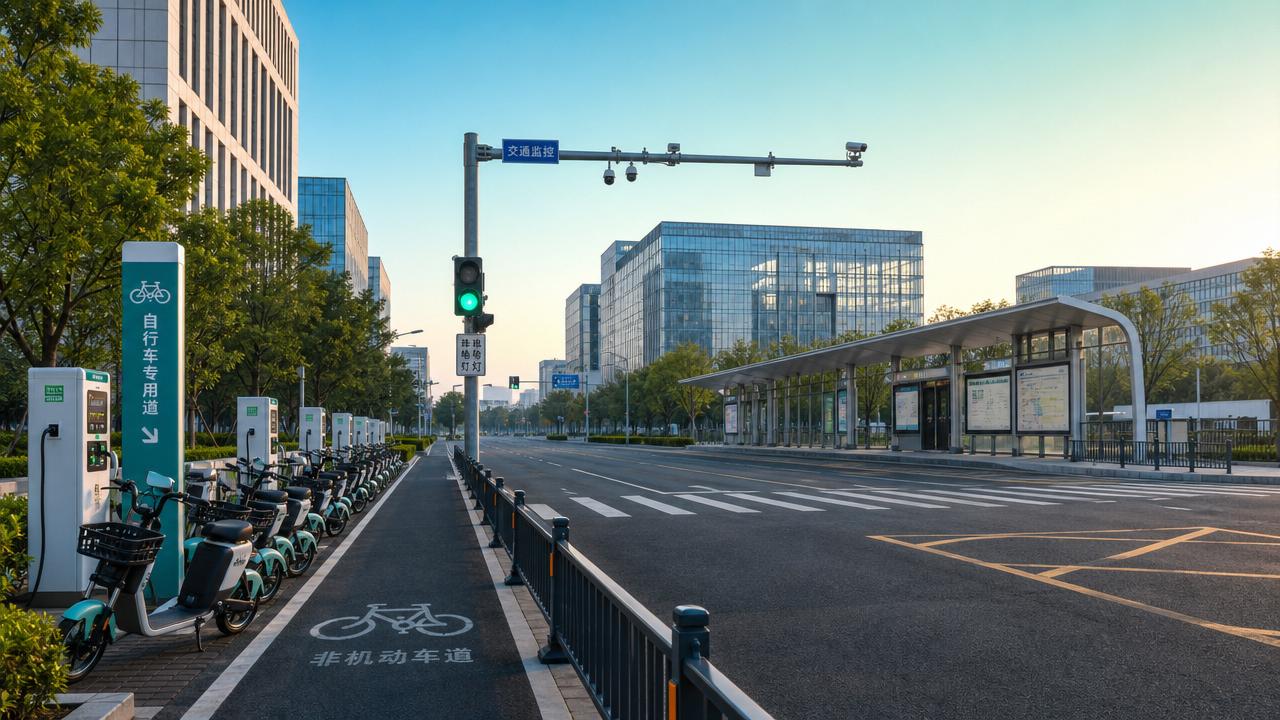
Urban cycling is entering a decisive phase as cities redesign streets, regulate micro-mobility, and invest in safer, smarter commuting networks.
From protected lanes to e-bike charging hubs, urban cycling now sits at the center of low-carbon transport strategy.
For mobility researchers, infrastructure planners, and technology observers, these shifts reveal how policy, engineering, and rider behavior are converging.
Urban Cycling Is Moving From Side Policy To Core Mobility Strategy
The latest urban cycling wave is not only about painting lanes or promoting healthier travel.
It reflects a deeper reallocation of road space, curb access, traffic priority, and digital mobility intelligence.
Cities facing congestion, emissions targets, and public health pressure are treating urban cycling as transport infrastructure.
This marks a departure from recreational bike planning toward commute-grade networks built for daily reliability.
Protected corridors, intersection redesign, secure parking, and multimodal stations are becoming standard expectations.
The result is a more mature urban cycling ecosystem, shaped by safety data and climate investment.
Trend Signals Showing A Structural Shift In Daily Commutes
Several signals show urban cycling infrastructure is moving from experimental projects to permanent transport systems.
Temporary pandemic lanes have been converted into protected routes in many dense districts.
E-bike usage is also extending the practical range of urban cycling beyond traditional short trips.
At the same time, smart traffic systems are beginning to detect bicycles and prioritize safer signal timing.
Curbside space is being reorganized for bike parking, scooter docking, cargo bikes, and charging points.
These changes show urban cycling is becoming a measurable layer of metropolitan mobility operations.
The Most Visible Infrastructure Signals
- Protected bike lanes are replacing shared painted lanes on high-risk roads.
- Bike-priority intersections reduce conflict between riders, pedestrians, buses, and cars.
- Secure storage hubs support urban cycling for office, rail, and campus commutes.
- E-bike charging stations make longer daily rides more predictable.
- Data platforms track demand, safety gaps, and network continuity.
Why Urban Cycling Infrastructure Is Accelerating Now
The rise of urban cycling is supported by overlapping forces rather than one isolated trend.
Climate rules, fuel cost volatility, lifestyle changes, and technology upgrades all reinforce demand.
E-bikes are especially important because they reduce physical barriers for hills, longer routes, and mixed-age commuting.
Lightweight frames, improved drivetrains, and smart assistance systems are making urban cycling more efficient and appealing.
Protected Networks Are Redefining Safety Expectations
Safety remains the strongest condition for mainstream urban cycling growth.
Painted lanes rarely convince hesitant commuters when vehicle speed and turning conflicts remain high.
Modern infrastructure now emphasizes physical separation, clear sightlines, and slower vehicle interaction zones.
Protected lanes also change public perception by signaling that urban cycling has legitimate road priority.
The most effective corridors connect homes, offices, schools, stations, and commercial streets without abrupt gaps.
Continuity matters because a single dangerous intersection can suppress an entire route’s adoption.
Safety Design Priorities Gaining Momentum
- Raised cycle tracks along arterial roads.
- Dedicated signal phases for riders.
- Corner islands that slow turning vehicles.
- Night lighting for commuter confidence.
- Surface quality standards for road bikes and e-bikes.
E-Bikes Are Changing The Scale Of Urban Cycling Networks
E-bikes are reshaping how far, how often, and how confidently people ride.
This makes urban cycling a stronger competitor to cars, taxis, and crowded transit for medium-distance trips.
Charging hubs, battery-safe parking, and repair access are therefore becoming infrastructure priorities.
For high-use corridors, e-bike speed differences require better lane width and clearer overtaking rules.
Cargo e-bikes add another layer, supporting deliveries, family trips, and service logistics.
This broadens urban cycling from personal commuting into a wider urban micro-circulation system.
Smart Infrastructure Is Making Urban Cycling Measurable
A major trend is the use of sensors, mobility data, and connected traffic tools.
Counting devices help identify peak demand, seasonal shifts, and missing network links.
Signal systems can detect bicycle flows and reduce waiting time on key commute corridors.
Geofencing supports shared e-scooters and helps manage clutter around stations and sidewalks.
These tools support urban cycling by making performance visible to planners and policymakers.
Data also helps justify investment when budget debates require measurable safety and usage outcomes.
Technology And Materials Are Influencing Infrastructure Demand
Urban cycling trends are increasingly linked to vehicle engineering.
Carbon fiber frames, advanced aluminum platforms, and compact e-drive systems improve acceleration and ride efficiency.
Electronic derailleurs and smarter transmissions reduce maintenance concerns for frequent riders.
These innovations raise expectations for smoother surfaces, secure parking, and high-quality service networks.
Urban cycling infrastructure must therefore match the performance level of modern two-wheeled mobility products.
When vehicles become faster and more capable, weak infrastructure becomes more visible.
Impacts Across Transport Systems, Commerce, And Public Space
The effects of urban cycling infrastructure extend beyond individual riders.
Public transport benefits when cycling solves first-mile and last-mile access gaps.
Retail streets may see more frequent visits because bikes support flexible, short-distance trips.
Logistics operators gain options through cargo bikes in low-emission zones and congested districts.
However, poor integration can create conflicts with pedestrians, buses, loading zones, and emergency access.
That makes curb management a central part of the next urban cycling infrastructure cycle.
Key Operational Impacts
- Transit stations need secure bike parking and charging.
- Commercial streets need delivery windows and curb rules.
- Traffic teams need reliable bicycle movement data.
- Maintenance teams need faster snow, debris, and surface response.
What Enterprises And Practitioners Should Watch Closely
Urban cycling growth creates strategic signals for mobility technology, component design, and lightweight materials.
The strongest opportunities appear where infrastructure, regulation, and product capability improve together.
Observation should focus on commute reliability, not only headline bike lane mileage.
- Monitor protected network continuity across employment and residential zones.
- Track e-bike speed rules, battery safety codes, and charging standards.
- Assess demand for durable drivetrains under high-frequency commuting.
- Watch low-emission zones that favor cargo bikes and e-motorcycles.
- Evaluate rider willingness to pay for safety, range, and reliability.
Practical Response Paths For The Next Infrastructure Phase
The next phase of urban cycling will reward systems thinking.
Street design, vehicle technology, maintenance models, and digital regulation must work as one operating environment.
A fragmented approach risks underused lanes, unsafe crossings, and poor public acceptance.
How To Judge Whether Urban Cycling Progress Is Real
Not every cycling announcement signals meaningful change.
Real progress appears when infrastructure improves daily decisions for risk-sensitive commuters.
The most important question is whether urban cycling becomes easier during ordinary weekday travel.
Useful indicators include fewer conflict points, rising all-season usage, and stronger intermodal connections.
Maintenance quality is another decisive signal because neglected lanes quickly lose commuter confidence.
Successful urban cycling systems are not decorative; they are dependable transport assets.
Action Direction For A Smarter Low-Carbon Commute Future
Urban cycling will keep reshaping daily commutes as infrastructure quality, e-bike capability, and data intelligence advance together.
The next step is to evaluate streets as integrated micro-mobility networks, not isolated cycling projects.
Track policy changes, charging deployment, protected corridor expansion, and lightweight vehicle innovation in one intelligence framework.
For deeper insight into two-wheeled technology and mobility dynamics, follow ACMD’s ongoing analysis of urban cycling transformation.
Related News