
E-scooter Technology Updates That Improve Rider Safety

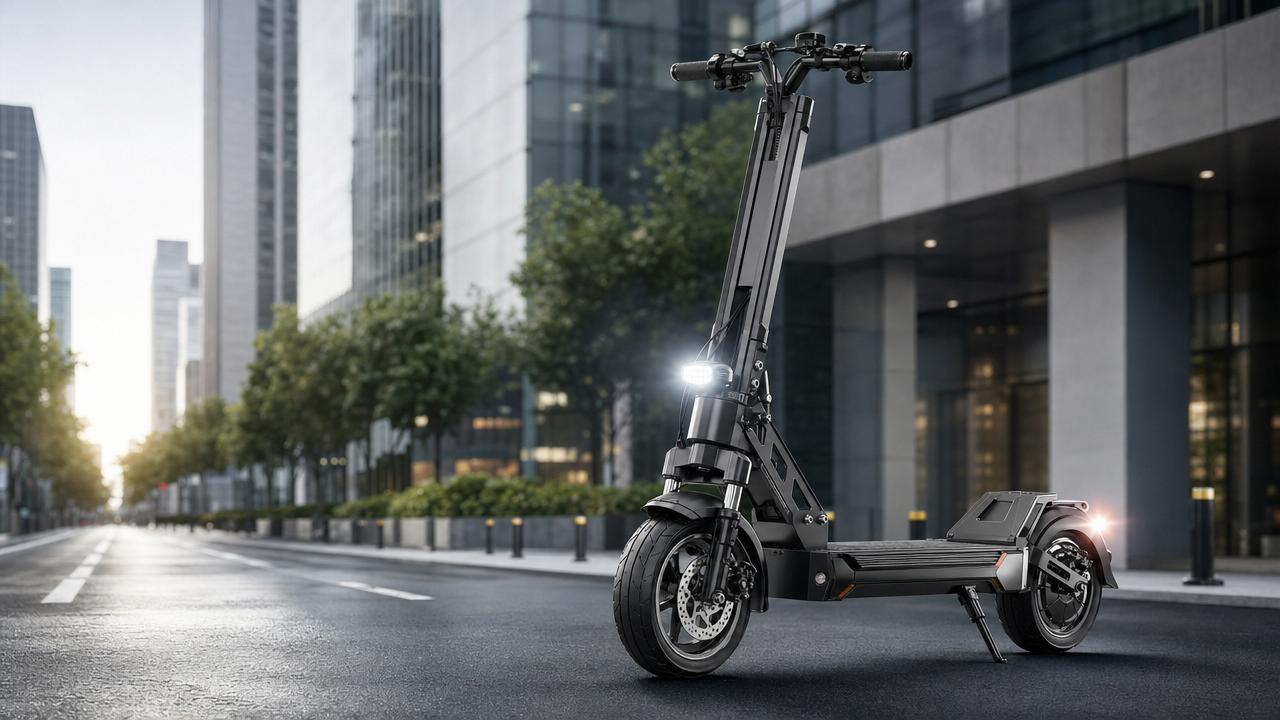
Today’s e-scooter technology is doing far more than boosting speed and convenience—it is reshaping rider safety from the ground up. From smarter braking systems and improved battery protection to app-based diagnostics and stability-focused design, these updates help everyday riders feel more confident on busy urban streets. As urban micro-mobility matures, safety is no longer a secondary feature; it has become a core benchmark for product design, regulation, fleet deployment, and rider adoption. This shift matters across the broader mobility ecosystem, where reliability, data visibility, and lightweight engineering increasingly define which solutions scale successfully.
Why rider safety is becoming the defining metric in e-scooter technology
The first wave of electric scooters focused on accessibility, low cost, and rapid deployment. The current wave of e-scooter technology is different. Cities are tightening operating standards, shared mobility operators are under pressure to reduce incident rates, and private riders are comparing safety systems with the same seriousness once reserved for automotive features. In practical terms, this means braking response, battery resilience, traction control, lighting visibility, and diagnostic intelligence now influence purchasing and deployment decisions as much as top speed or range.
This transition is also being accelerated by broader industry capabilities. Advances in lightweight materials, compact sensors, control algorithms, and connected software are allowing manufacturers to build safer vehicles without making them too heavy, too expensive, or too complicated. For the micro-mobility sector, safety innovation is becoming a direct path to stronger compliance, better urban acceptance, and longer product life cycles.
The strongest safety signals now shaping modern e-scooter technology
Several technical updates stand out because they solve common real-world risks: sudden braking instability, low-visibility riding, thermal battery events, slippery surfaces, and unnoticed wear. Together, these developments show how e-scooter technology is shifting from simple electrified transport to a more intelligent safety platform.
What is driving these safety improvements in e-scooter technology
The push toward safer e-scooter technology is not coming from a single source. It is being shaped by regulation, rider expectations, insurance concerns, engineering progress, and the need for micro-mobility systems to integrate more smoothly into urban transport networks.
- Urban regulation is maturing: More cities now define minimum requirements for lighting, speed governance, braking capability, and geofenced operation.
- Data is exposing failure patterns: Shared fleets generate maintenance and incident records that highlight where hardware and software need reinforcement.
- Sensor costs are falling: Better controllers, accelerometers, and battery monitoring modules are becoming feasible even for mid-range models.
- Consumer tolerance for risk is lower: Riders increasingly expect commuter-grade dependability, especially for daily use in mixed traffic.
- Lightweight engineering is improving: Stronger alloys and composite-informed design help add safety features without excessive bulk.
These factors create a feedback loop: better hardware enables more safety data, more safety data supports stronger standards, and stronger standards push e-scooter technology toward higher-quality design. This is particularly important in the broader advanced mobility sector, where trust and technical credibility often determine whether a product category expands or faces restrictions.
The most important technical upgrades riders should understand
Braking systems are becoming more controlled, not just more powerful
A major leap in e-scooter technology is the move from basic braking to coordinated braking. Many newer models combine electronic regenerative braking with disc or drum brakes, reducing wheel lock and smoothing deceleration. This matters because many scooter incidents happen when riders overreact and brake sharply on small wheels. Better modulation helps preserve steering control while still delivering effective stopping power.
Battery safety has become a design priority
Battery-related safety is one of the most critical areas in e-scooter technology. Modern battery packs increasingly use multi-layer protection: temperature sensors, short-circuit defense, charge balancing, water resistance, and compartment reinforcement. Some systems can also limit output when thermal stress rises. These changes do more than prevent severe events; they stabilize daily performance and reduce the chance of sudden power irregularities that can affect rider control.
Visibility systems now support traffic awareness
Front lights are brighter, rear lights react more clearly during braking, and side visibility is getting more attention. In dense city corridors, the ability to be seen from multiple angles may matter more than speed. Some e-scooter technology platforms now include integrated turn signals and automatic light activation, which reduce friction between scooters, cars, cyclists, and pedestrians in complex intersections.
Stability is improving through geometry and tire design
Not all safety gains come from electronics. Larger pneumatic tires, anti-slip decks, reinforced stems, and a more balanced weight distribution contribute significantly to ride confidence. On rough pavement, rail crossings, or wet surfaces, these mechanical improvements can be just as important as software features. This is a reminder that effective e-scooter technology blends intelligent control with sound physical engineering.
How these safety updates affect the wider mobility business environment
Safer e-scooter technology has implications well beyond individual rides. For shared mobility networks, better diagnostics and stronger component durability can reduce downtime, lower maintenance volatility, and improve public acceptance. For city transport systems, safer scooters are easier to integrate into sustainability goals because they support modal shift without amplifying infrastructure conflict. For the broader advanced materials and micro-mobility value chain, the trend reinforces demand for lightweight strength, smarter electronics, and more robust thermal management.
It also changes market differentiation. Basic price competition is giving way to a more sophisticated comparison that includes safety architecture, firmware support, water resistance, crash resilience, and post-sale service visibility. In this environment, technical transparency becomes a strategic asset. Platforms and brands that clearly explain how their e-scooter technology handles braking, battery health, and fault detection are more likely to earn long-term trust.
What deserves close attention as e-scooter technology keeps evolving
- Firmware reliability: Over-the-air updates are useful, but safety-critical software must be stable, traceable, and well-tested.
- Ingress protection: Rain exposure remains a major real-world condition, so sealing quality matters for both electronics and braking response.
- Battery certification and pack design: Safety claims should align with recognized testing and robust enclosure engineering.
- Structural fatigue resistance: Folding mechanisms, steering columns, and deck joints require long-term durability, not just launch-stage performance.
- Human-machine interface clarity: Display warnings, brake feedback, throttle mapping, and error signals must remain simple under fast decision-making.
A practical framework for evaluating safer e-scooter technology
The next move is to treat safety as the real engine of adoption
The future of e-scooter technology will not be defined by speed alone. It will be shaped by how well the vehicle anticipates risk, communicates faults, survives daily wear, and maintains stability in real traffic conditions. The strongest products in this category are increasingly those that combine electronic intelligence, lightweight structural discipline, and commuter-focused design logic.
For anyone tracking the urban mobility landscape, the clearest signal is this: safer e-scooter technology is no longer a premium add-on. It is becoming the baseline for credibility, regulation readiness, and long-term rider confidence. The most practical next step is to evaluate scooters through a safety-first lens—looking closely at braking, battery management, diagnostics, visibility, and structural quality before focusing on range or speed. That approach leads to better decisions and a more resilient micro-mobility future.