
Traction Battery Systems Manufacturer Trends in 2026

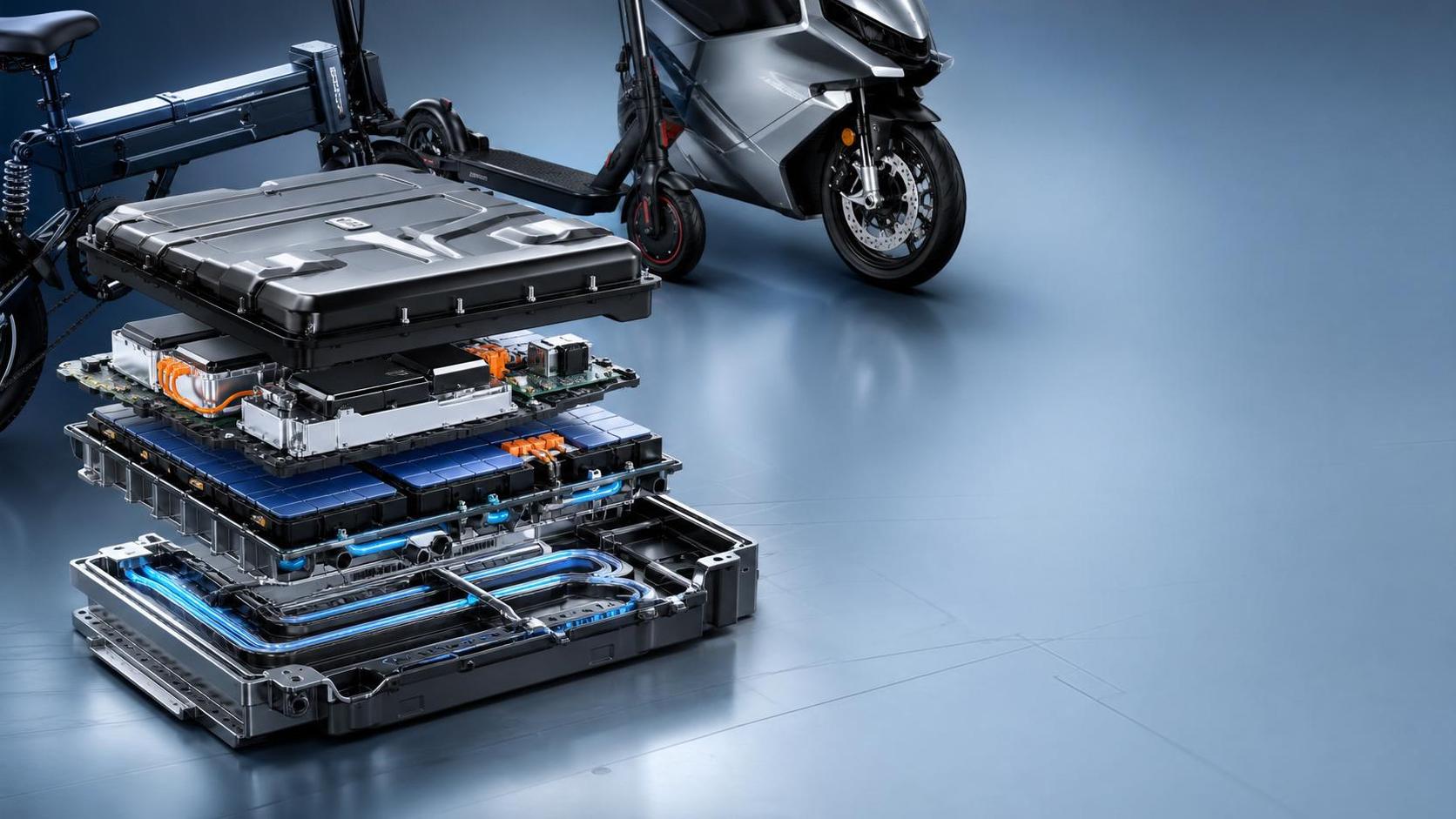
Traction battery systems manufacturer trends in 2026 are moving from scale stories to capability tests
In 2026, the market no longer rewards battery volume alone. It rewards control over performance, safety, traceability, and adaptation across mobility platforms.
That shift matters far beyond passenger EVs. E-bikes, smart e-scooters, high-speed e-motorcycles, and light urban transport all depend on better battery system decisions.
For ACMD’s world of micro-mobility and lightweight engineering, the traction battery systems manufacturer is now tied to ride feel, thermal confidence, charging logic, and lifecycle economics.
The strongest signal is clear. Buyers are comparing integration depth, not just cells, pricing, or nameplate capacity.
A traction battery systems manufacturer with strong pack architecture, software-calibrated thermal management, and localized compliance support now holds a measurable advantage.
Why this change is becoming more visible now
Several forces are converging at once, and they are reshaping supplier evaluation across the broader electrified transport chain.
- Energy density gains are becoming practical, not merely experimental, especially in premium light electric mobility.
- Thermal events receive sharper regulatory attention, making pack-level design more important than headline cell chemistry.
- Regional sourcing requirements are pushing every traction battery systems manufacturer toward localized assembly and dual-source strategies.
- Carbon accounting is entering commercial negotiations, especially where public funding, fleet tenders, or export access matter.
From recent mobility demand, a simple battery pack is no longer enough. The market increasingly wants a managed energy platform.
This is especially true in compact electric vehicles, where packaging limits, lightweight materials, and dynamic load behavior interact more tightly than before.
ACMD’s focus on advanced two-wheel systems makes this easy to see. Battery performance now influences chassis tuning, digital controls, and even perceived drivetrain precision.
The traction battery systems manufacturer is becoming a systems engineering partner
In earlier phases, many suppliers competed on cost per kilowatt-hour. In 2026, the conversation shifts toward architecture quality and operating resilience.
That means a traction battery systems manufacturer is judged on how well it connects cells, cooling, BMS software, casing materials, and service diagnostics.
In high-speed e-motorcycles, this affects burst torque delivery and sustained performance. In e-bikes and scooters, it shapes range stability and charging safety.
The same trend reaches industrial and specialty applications. Duty cycles are getting more complex, and temperature variability is harder to ignore.
Thermal management is where reputation will be won or lost
More visible than any single chemistry story is the rise of thermal management as a board-level issue.
A traction battery systems manufacturer can no longer treat thermal design as a supporting feature. It now sits at the center of reliability, warranty exposure, and brand trust.
This is especially important in premium two-wheel mobility, where compact packaging and performance expectations create a narrow thermal window.
ACMD’s lens on lightweight frames and precision drivetrains highlights the same reality. When every gram and every response millisecond matters, battery heat becomes a whole-vehicle issue.
More advanced pack enclosures, phase-change materials, liquid-assisted cooling in select formats, and smarter sensor mapping are moving from edge cases into mainstream planning.
The better manufacturers are not only preventing failure. They are preserving usable performance across more real-world conditions.
Localization is no longer optional, but it is not only about geography
Regional production footprints continue to expand, yet localization in 2026 means much more than building packs closer to final assembly.
A traction battery systems manufacturer now needs local testing familiarity, local certification responsiveness, and local aftersales intelligence.
This matters in Europe, North America, and fast-growing Asian corridors where policy support links tightly to traceability and domestic value creation.
It also matters in micro-mobility, where city regulations, fleet usage patterns, and charger ecosystems differ more than global slide decks suggest.
- Localized sourcing reduces lead-time volatility during material or shipping disruptions.
- Localized validation improves speed when standards or battery transport rules change.
- Localized service data helps refine BMS logic for specific climates and user behavior.
The result is practical resilience. That often proves more valuable than a small initial cost advantage.
Sustainability is moving from branding language into supplier scorecards
A few years ago, sustainability claims often sat beside performance claims. In 2026, they increasingly influence market access and contract quality.
That puts new pressure on every traction battery systems manufacturer to show material traceability, repair logic, second-life pathways, and recycling collaboration.
This trend aligns closely with ACMD’s broader view of low-carbon mobility. Lightweight frames, efficient drivetrains, and optimized battery systems now form one connected decarbonization story.
The market is also becoming more selective. It distinguishes between companies that publish claims and those that engineer measurable lifecycle improvements.
For battery systems, useful proof points include pack modularity, lower scrap rates, easier disassembly, and carbon data that can survive customer audits.
What this means across mobility applications
The impact is uneven, which is why generic supplier comparisons are becoming less useful.
In e-bikes, the traction battery systems manufacturer increasingly influences weight balance, charging behavior, and long-cycle consumer confidence.
In smart e-scooters, ruggedness, fleet analytics, and fast service replacement often outweigh raw capacity expansion.
In high-speed e-motorcycles, discharge consistency, thermal endurance, and battery-swapping compatibility are becoming strategic differentiators.
Even outside two-wheel markets, the same pattern appears. The best battery partner depends on operating context, not a universal spec sheet.
Signals worth watching over the next planning cycle
- More contracts will ask for pack-level safety evidence under non-ideal use conditions.
- Battery software updates will become a larger part of product lifecycle management.
- Lightweight material integration will push battery enclosure engineering into earlier design stages.
- Supplier discussions will include recycling partners and carbon data far earlier than before.
How to judge the next move without overreacting to hype
The biggest risk in 2026 is not missing a buzzword. It is choosing a battery path that looks advanced but fails under application-specific pressure.
A more useful approach is to compare each traction battery systems manufacturer against a focused set of questions.
- How stable is pack performance after repeated fast-charge or high-load cycles?
- How transparent is the supplier on material origin, testing data, and field failure learning?
- How quickly can the system adapt to regional certification or changing usage profiles?
- How well does the battery architecture support lightweighting, digital diagnostics, and long-term serviceability?
Those questions cut through marketing language. They also align better with the realities of electrified mobility product planning.
A practical reading of the 2026 market
The 2026 winner will not simply be the largest traction battery systems manufacturer. It will more likely be the one that connects electrochemistry, thermal logic, localization, and lifecycle accountability.
That is why the sector feels different now. Battery systems are no longer a hidden component choice. They are shaping competitive identity across modern mobility platforms.
For teams tracking micro-mobility, lightweight engineering, and electrified performance, the next step is practical. Recheck operating assumptions, compare pack-level evidence, and map supplier readiness against actual application stress.
The most useful advantage in this market is not speed alone. It is informed timing backed by better technical judgment.
Related News